
Death of A Cowgirl
On Leaving What You Love after a Decade, Because You Found The Place Your Belong
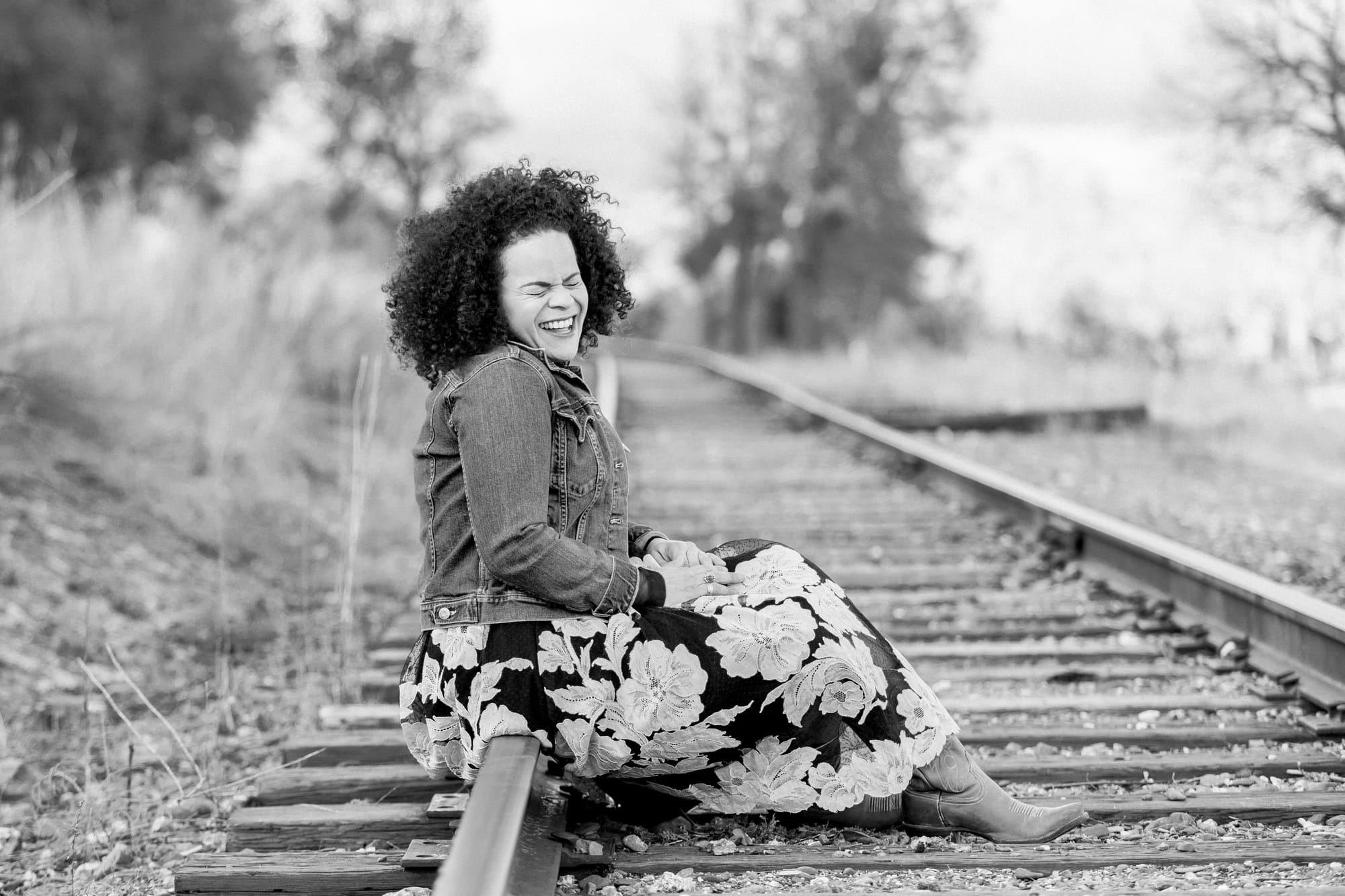
I left Montana two months ago, moving back to Washington. It’s a long story, and one that will be shared at some point. I was talking with the women who hold me so near to them, especially in the last year and half. And the through line of those conversation all tie to what I’ve been writing here — identity.
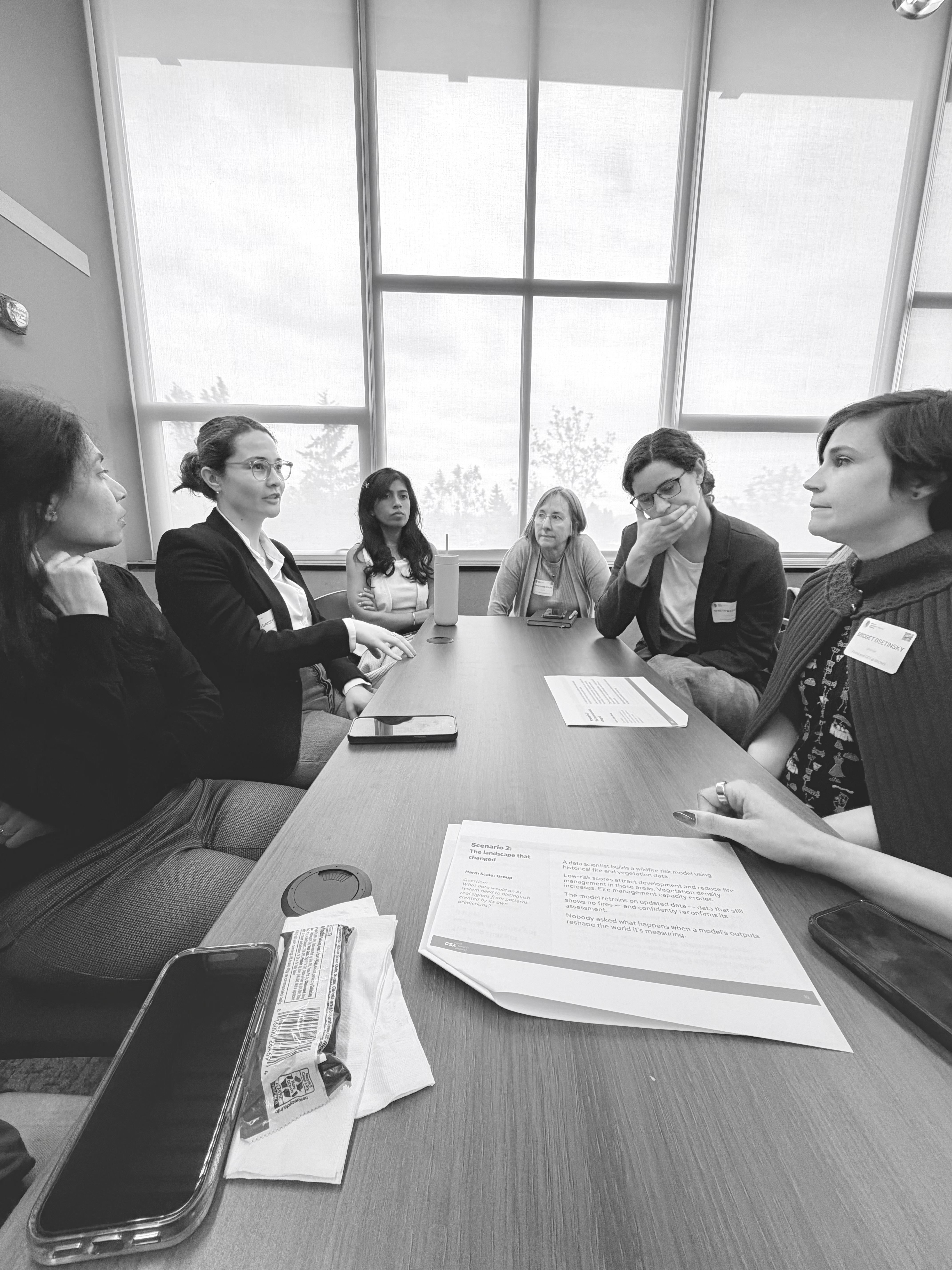
Last week, I sat in room with women who worked with data — scientists, engineers, epidemiologists, strategist like myself — who worked for NASA, the CDC, Amazon, Microsoft and many more. We were running hypothetical scenarios around safety with AI. We talked through mental health (the chatbots so many people love to confide in), government data safety, and food supply chains.
In that room, I realized something. I’d found the room I needed to be in, that I had been looking for so long. Tables filled with brilliant, accomplished women (and women of color to boot, the room was less than 5% white), who had the ability to think mindfully about behavior and the data constructs behind the technology that runs our everyday life.
I sat there, looking at the water, and felt happy, I was joyous in fact, because I finally found a place I didn’t have to translate myself. These women spoke my language. And in that room, I realized I’d come full circle, the woman at 27 had come back, the only difference was that she was whole instead of broken. And with the realization, and acceptance, I realized the version of myself I’d been for the last nine years had died.
A Decade of Falling In Love with the West
Earlier this month, I gave up my seat at the Gathering Fire facilitation training I was so excited to be a part of. I donated my spot to a woman who could not afford to attend, working in rural America. When I did that, something broke, and that was my need love of the West.
When I did that, something shifted, a thought crept into my mind of “when you love something so much, you sometimes have to leave it.” I realized the thing that I’d quietly loved for a decade had died, and I been living that death unknowingly.
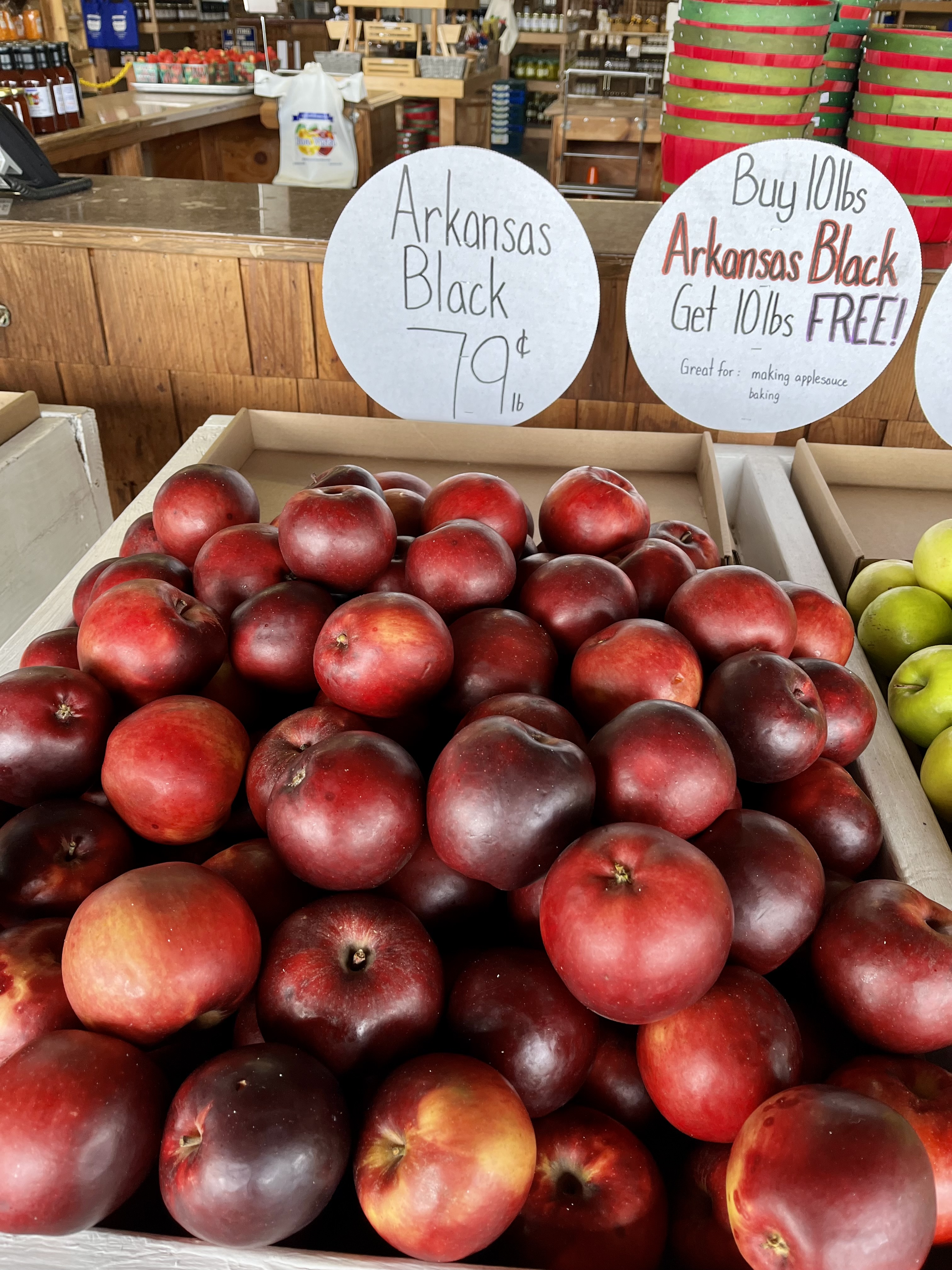
I started being fascinated by agriculture nine years ago, I became obsessed with how food was produced. It started in Sacramento, where I was a green-juicing vegan practicing yoga and working out three hours a day, and still sick, searching for what my body actually needed.
I started booking farm stays, and one farm pulled me in so completely that I moved there — within six weeks I could castrate a goat, butcher a hog, and formulate what a dying orchard needed to be fed in order to produce fruit again.
Over the course of the years, I worked my marketing roles, but I also wrote about food, produced food business podcasts for international trade shows, and did e-commerce and data strategy work for well known supplement and food brands.
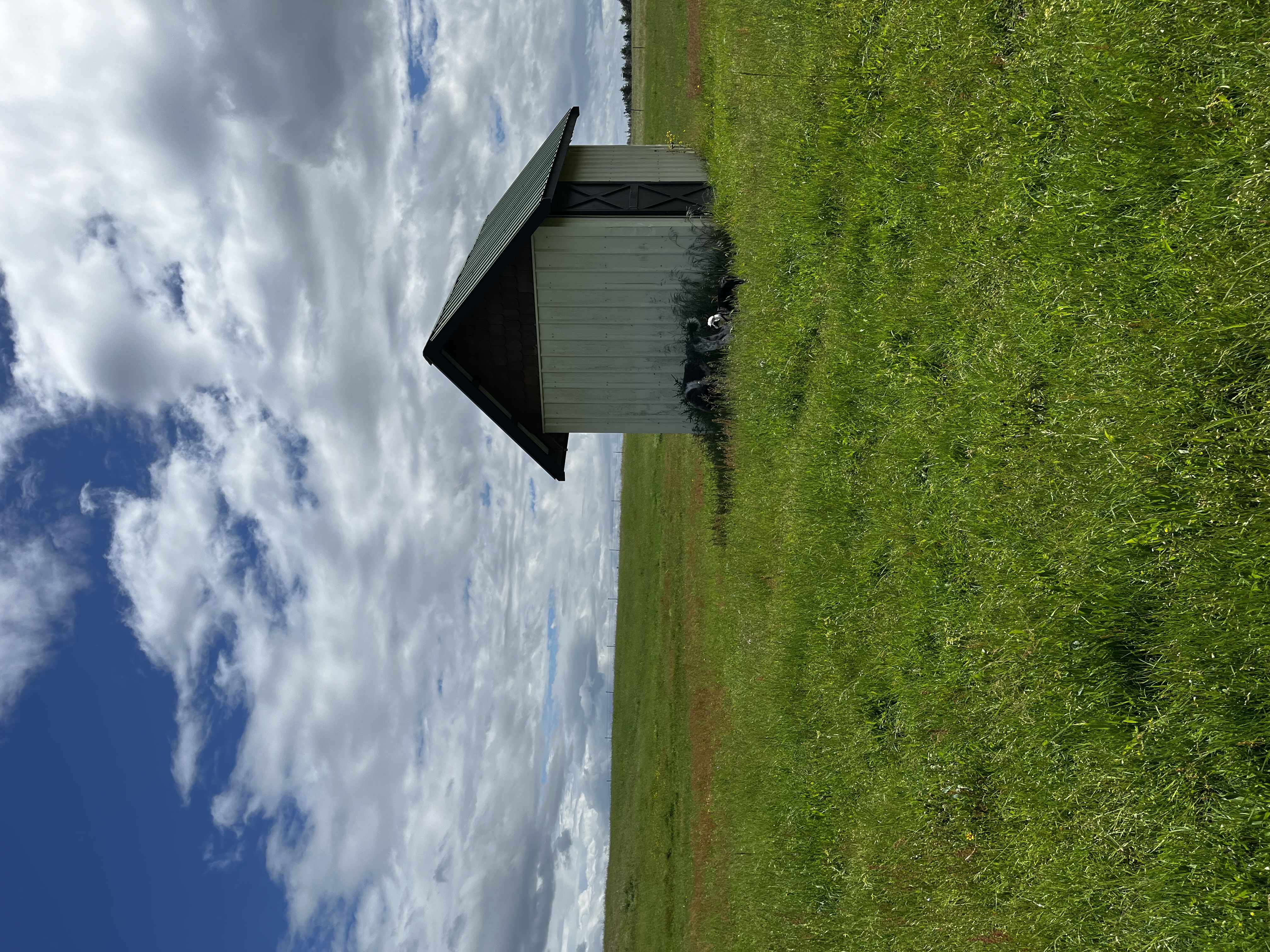
I lived on ranches, learned to ride horses, grew just about everything. Somewhere in there, being a woman who can raise, kill, and cook her own food still makes me a badass.
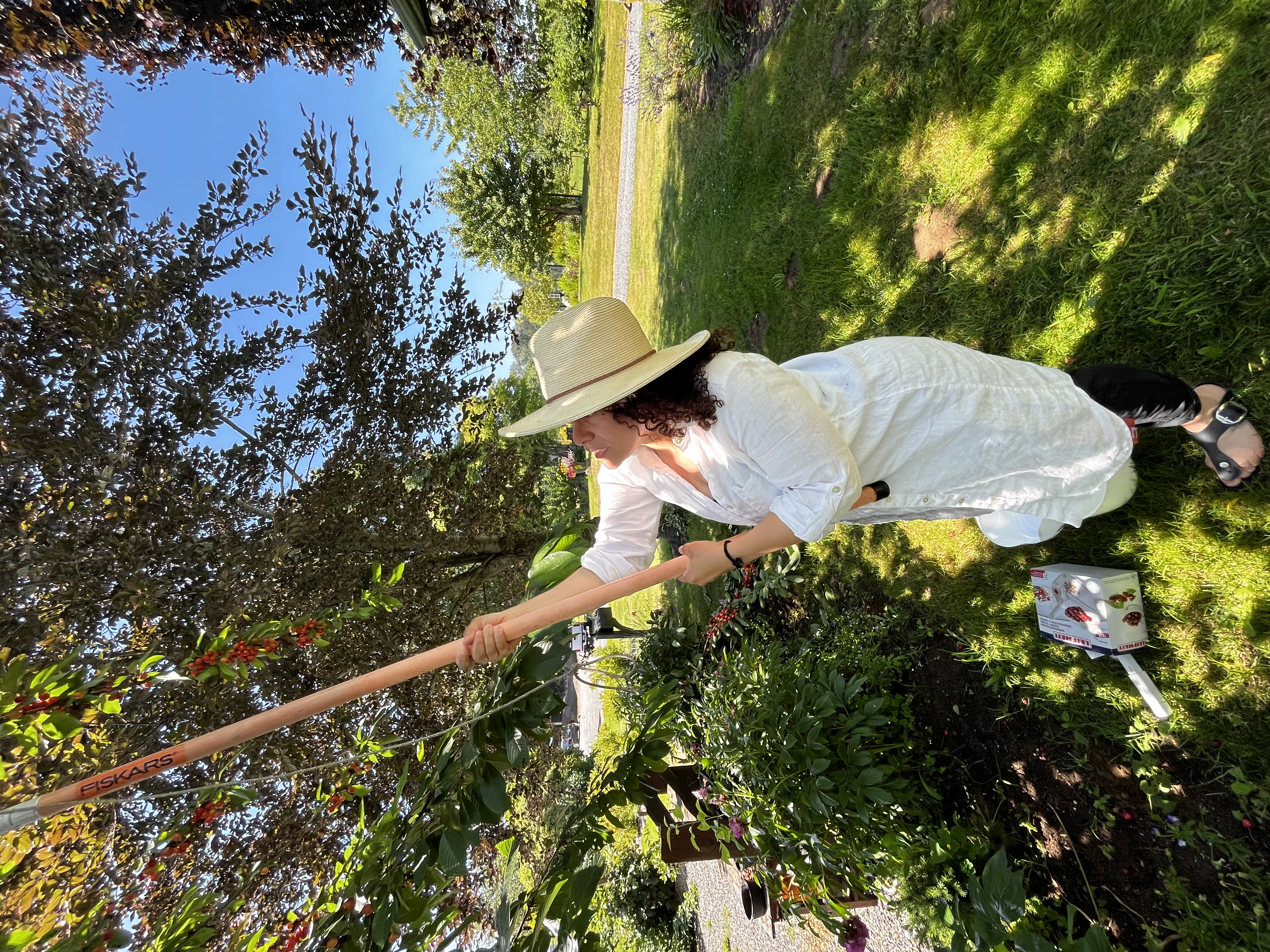
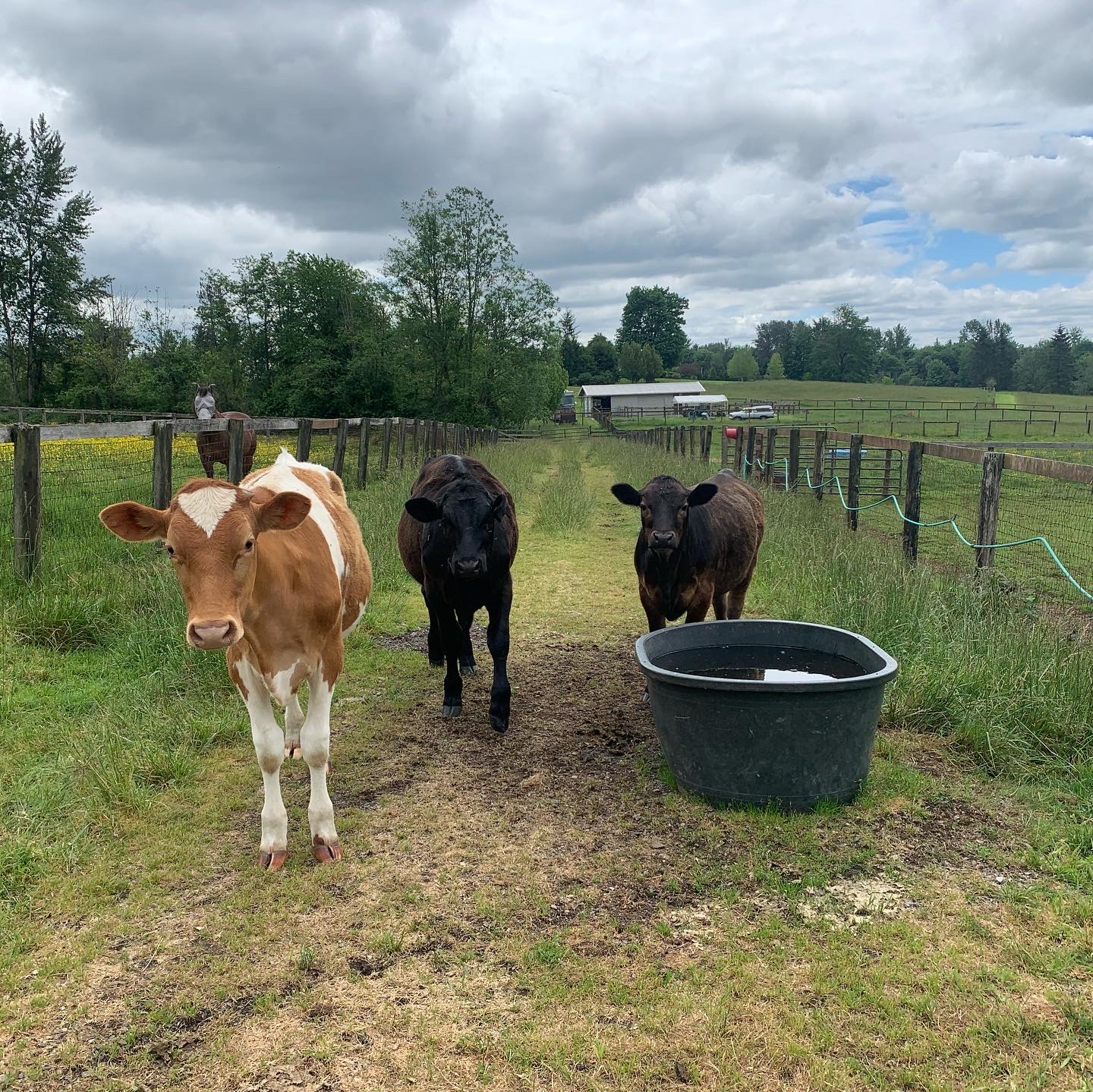
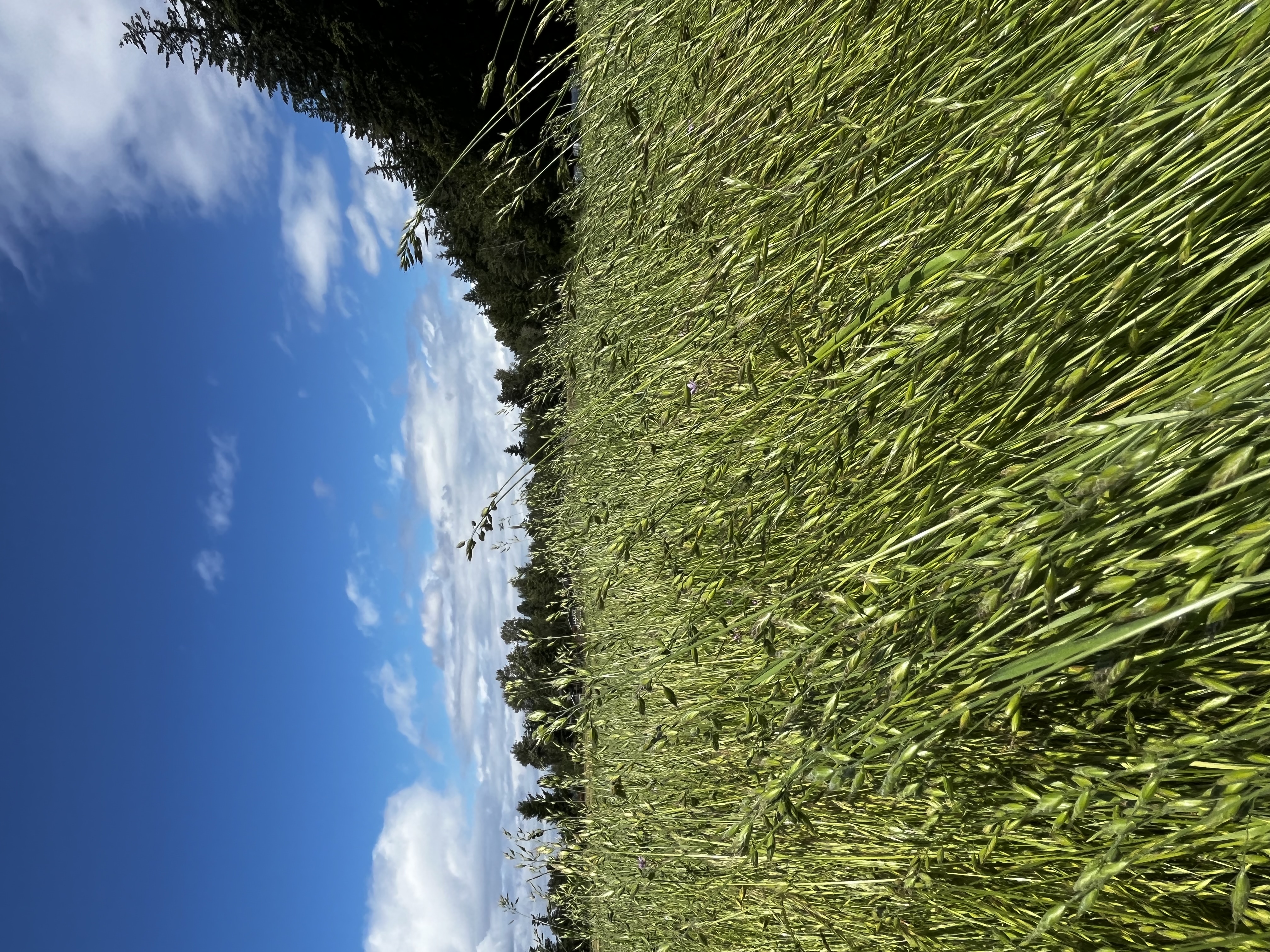
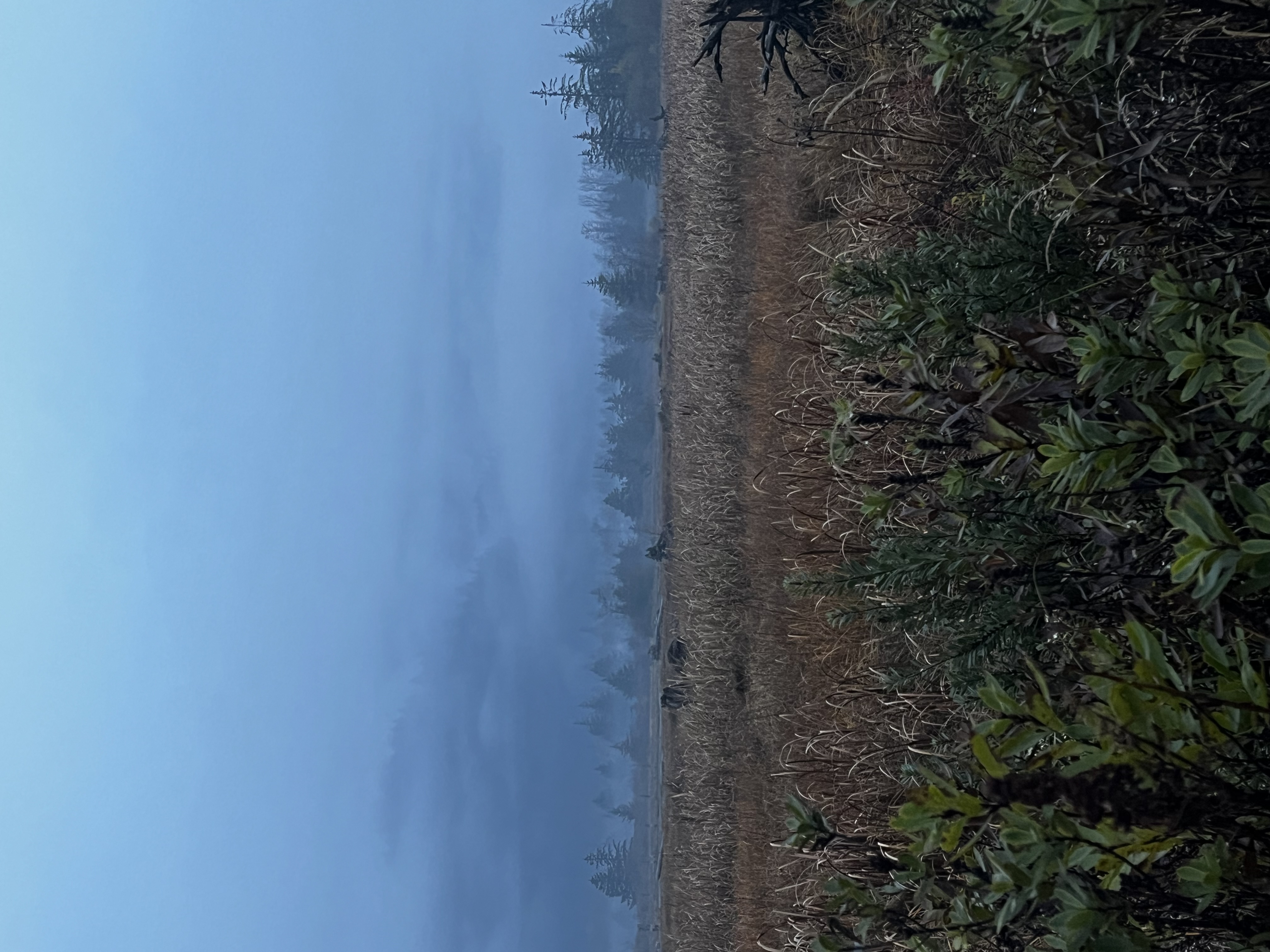
Highlights of Decade
Realizing The West Wore Me Down
What I didn’t anticipate was the exhaustion of working within systems that needed everything I had while making clear they didn’t particularly value it. The misogyny and racism in agriculture ran deep, and it wasn’t only men holding those structures up — women did too, which carried its own specific weight.
For the last few years, I’ve written about boundaries, emotional sovereignty, and mental health, and what I kept running into was this: the moment a woman stands in her power — with grace, with clear communication, with boundaries intact — she becomes a problem to be managed rather than a mind to be reckoned with.
Fragile systems don’t survive women who know exactly who they are.
Trying to work within those systems for years does something I didn’t expect. It wears down the armor you didn’t know you were hiding behind, and underneath all that noise — the battles, the exhaustion, the steady hemorrhage of giving yourself to places that refused to value it — a quieter truth had been waiting for me to stop long enough to hear it.
Death of the Cowgirl
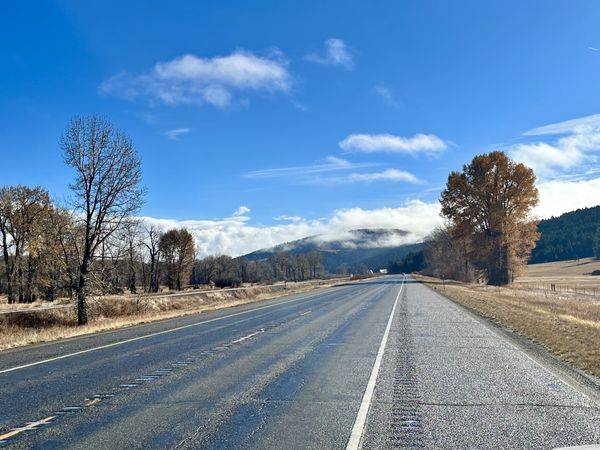
After realizing my love affair with agriculture was over, I realized something else — I was no longer a cowgirl. Something else had been shifting underneath me for longer than I realized, and the woman who needed empty roads and wide open land to feel like herself was quietly disappearing.
What gets me is that usually I see shifts like this coming, but this one crept in the back door. There was no aha moment, there was just a knowing. This came sitting at the end of this story, in the thick of a conflicting time, and in the quiet stillness of the back pasture, a soft realization came in — “You’re no longer her. She died.”
And what was stranger was that there was no grief on the death of this identity, there was only relief. I could see her riding away in my mind, and she thanked me for freeing her, and I thanked her for teaching me.
Agriculture’s failures gave me a clean narrative — I left because the systems were broken, because the misogyny was relentless, because the work was undervalued. All true. But the harder truth is that even if was devoid of oppression, I’m not sure I’d still be there. Cowgirl of the American West was a beautiful identity, but she’s gone, and this decade was over.
Becoming Who I Was Once Again — This Time Whole
What’s replaced the cowgirl was achingly familiar. Once again I found myself coming full circle. I realized, sitting in the middle of nowhere, I craved density once again — sidewalks, strangers, places where ethnicity is part of the fabric of the city. I wanted to go back to living in cities, both domestic and foreign, places where I could disappear into a crowd instead of standing alone on a hill.
The woman who once felt most alive on horseback at dawn now felt most alive walking into a room full of people she hadn’t met yet and striking up conversations on how to make this world a better place. I didn’t choose that shift, I just woke up inside it and had the honesty within myself to stop pretending.
Why I’m Telling You This
Sometimes leaving is the most honest thing you can do. And sometimes what looks like leaving is actually just your identity catching up to who you’ve already become. The knowledge I carry with me — about systems, sourcing, gendered power, how the world doesn’t work but also how it can — belongs to whatever comes next, and I’m genuinely excited about that.
If you’re a woman standing at the edge of something you’ve poured yourself into, wondering how much longer you can hold on, I want you to consider that the question might not be how long you can hold on. The question might be whether the version of you who needed this has already left the building, and you’re the last one to notice. The cowgirl died so the woman who comes next could have the space to exist. And frankly, it’s really exciting to be her.
Written by
What's Next?

What Happens When AI Turns Dark
What does it mean that an AI system optimized for user wellbeing can produce harm precisely by working as designed — and what does the field of AI safety actually need to learn from clinical practice to fix this? Last week I attended the Women in Data Science Puget Sound conference. WIDS Seattle, tied to Diversity in Data Science, exists to push the field toward 30% representation by women, or those who identify as women, by 2030. I chose to participate in the workshop When AI "Works" but Stil