What Happens When Women Create What Doesn't Exist
An account of a Gathering Fire, a three day facilitation training that helped me find the skills to respond and navigate complex relationships.
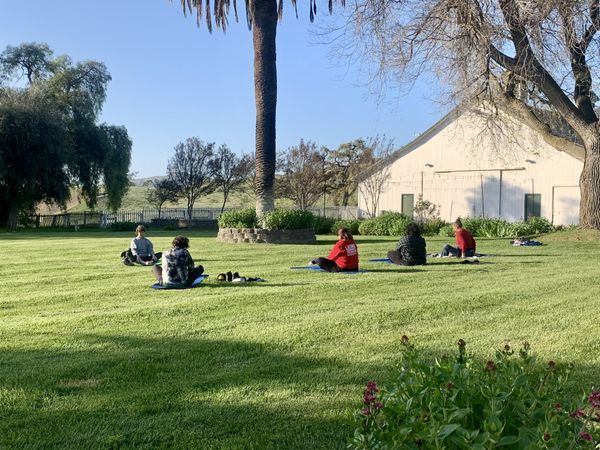
Two years ago, I attended Gathering Fire and walked away altered in ways I'm still discovering. Gathering Fire is a 3-day facilitation training for women who work in rural communities—those navigating conversations about land use, food systems, conservation, and the complicated human dynamics that show up when any of those things are at stake.
The event is offered free to women who apply for scholarships, though they've also opened paid spots for those who can afford them. What makes this event rare is that it was built by women who got tired of waiting for someone else to create what they needed, and that ethos runs through every hour of the training. I wanted to resurface what I wrote in 2023 about my experience, because what I learned there has only become more relevant.
“We need tools designed to be reflective of the earth and how we grow.” — Nikki Silvestri
Falling Down the Rabbit Hole
At first glance, this event intrigued me, and I promptly began reading and researching every aspect of it—the ranch where it was held, the #NoRegrets Initiative it was part of, and the two women leading it. Before I submitted the application, I wanted to understand what this program was and whether I could bring value through my participation. As I began my exploration, I found myself as frustrated as Alice trying to get through the first door to Wonderland.
While I could tie the #NoRegrets initiative back to the ranches and people that created it, I was having a hard time pinning down the program’s specific goal. I knew what facilitation was and how it could be used. I knew there were passionate women working on critically important issues—biodiversity in ecosystems, food accessibility, and so much more—and that whatever roles they held, they were often the conduits of difficult discussions. What I couldn’t piece together was how this program had united modern facilitation methods with design change through conversation, and how that connected specifically to agriculture.
My analytical research mode dissolved as I explored the backgrounds of the facilitators, Christine Ageton and Nikki Silvestri. In less than an hour, I turned into a fan girl as I learned about their individual and collective work. The answer to what I was looking for was a parallel to what many other women, across so many spaces, have started to do.
Gathering Fire was the culmination of these two women’s lived experiences in the communities they served, rooted in their love of land, sustainability, and equity.
Like so many women in other spaces, Gathering Fire came to life because they created it. They saw an empty space that needed to be filled, and since it didn’t exist, they leveraged their collective knowledge and networks to build something of meaning. I’ve long believed that if what you’re looking for doesn’t exist, you can create it—and this was yet another example of that belief made tangible.
Ready to Explore
That’s when the light went on. Wasn’t this the very reason Amber and I had explored creating a test pilot for the mindfulness program? Creating something we felt might be needed, without being certain anyone else saw the gap?
With this realization, I applied to Gathering Fire, unsure if I’d be accepted. I left that up to the Universe, because if I was meant to be there, it would happen. About six weeks later, I received an email that said, “Congratulations, you’ve been accepted to Gathering Fire.” I took the sign loud and clear.
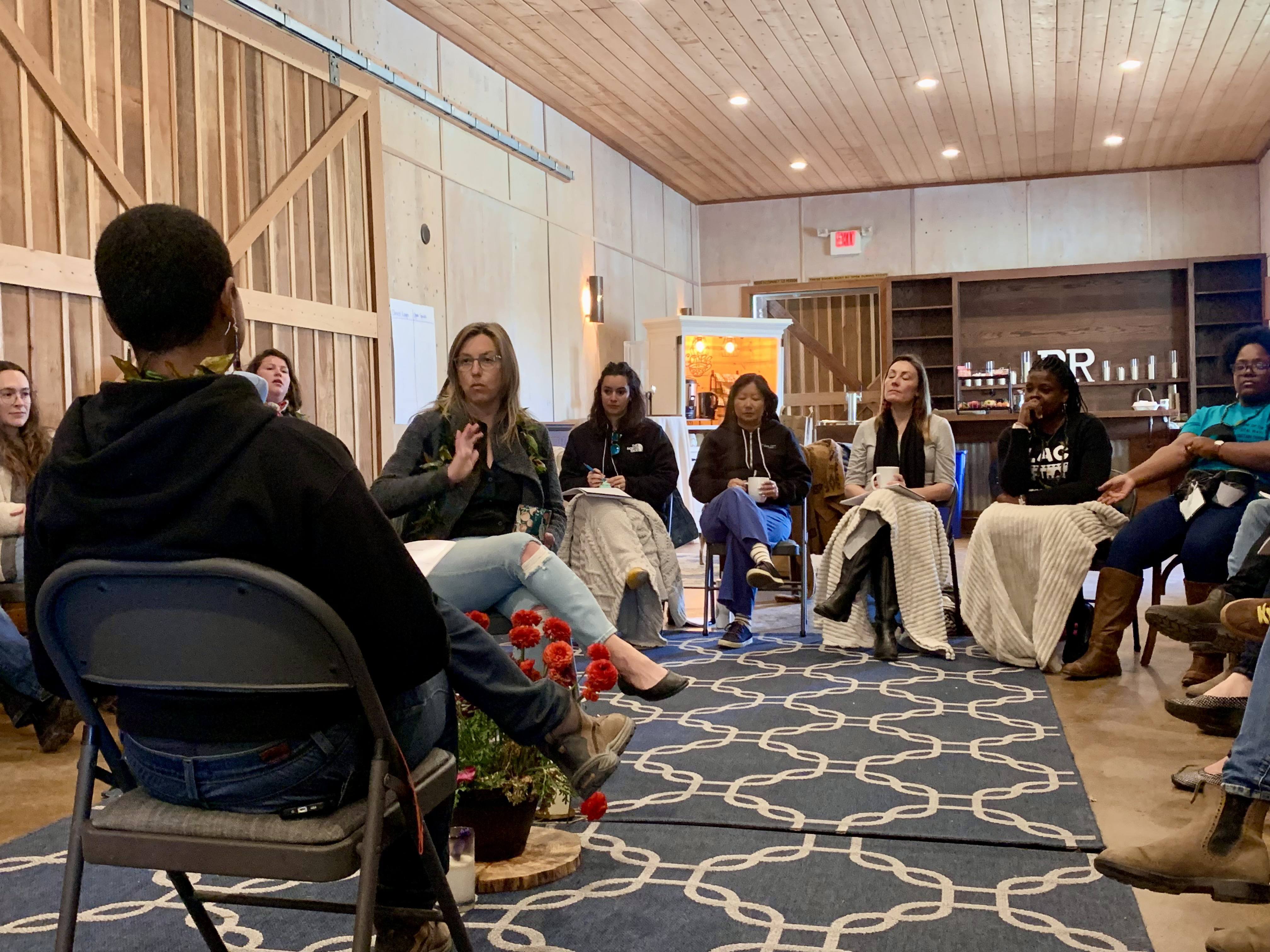
Preparing to Gather Fire
As the event date drew nearer, I received several emails about logistics, including one with six topic choices that could be covered during the four-day workshop. There were topics I was immediately drawn to, but I challenged myself to choose one I really wanted and two that would present deeper learning opportunities. The week before the event, the team emailed the workbook, and the three topics I’d selected were what the group had collectively chosen. More signs from the Universe.
At this point, I was genuinely intrigued about what would unfold. Based on the pre-work in the workbook, I decided to release any expectations and allow what was supposed to come from it to emerge. Which, of course, would be no less than fantastic with 30 women working in food, sustainability, and rural communities from across the country convened in one place.
Exploring Formal and Informal Power
The first topic we discussed as a group was formal and informal power—a complex subject because it encompasses you as an individual, but also the individual and collective power dynamics within any group you may be working with. We discussed how power dynamics can make or break conversations you’re facilitating, whether you’re implementing a USDA grant or running a community program.
Understanding power dynamics before a meeting or group discussion takes place is vital to successful outcomes. We learned to examine three dimensions before entering any facilitated space.
First, formal power—who holds the most authority through title, fame, or money.
Second, informal power—who holds influence, popularity, or appeal that doesn’t show up on an org chart.
Third, power functionality—how well is power operating within this group, do people feel free to share, is there genuine trust.
When you’re exploring power dynamics, the critical question becomes why each party needs or wants power.
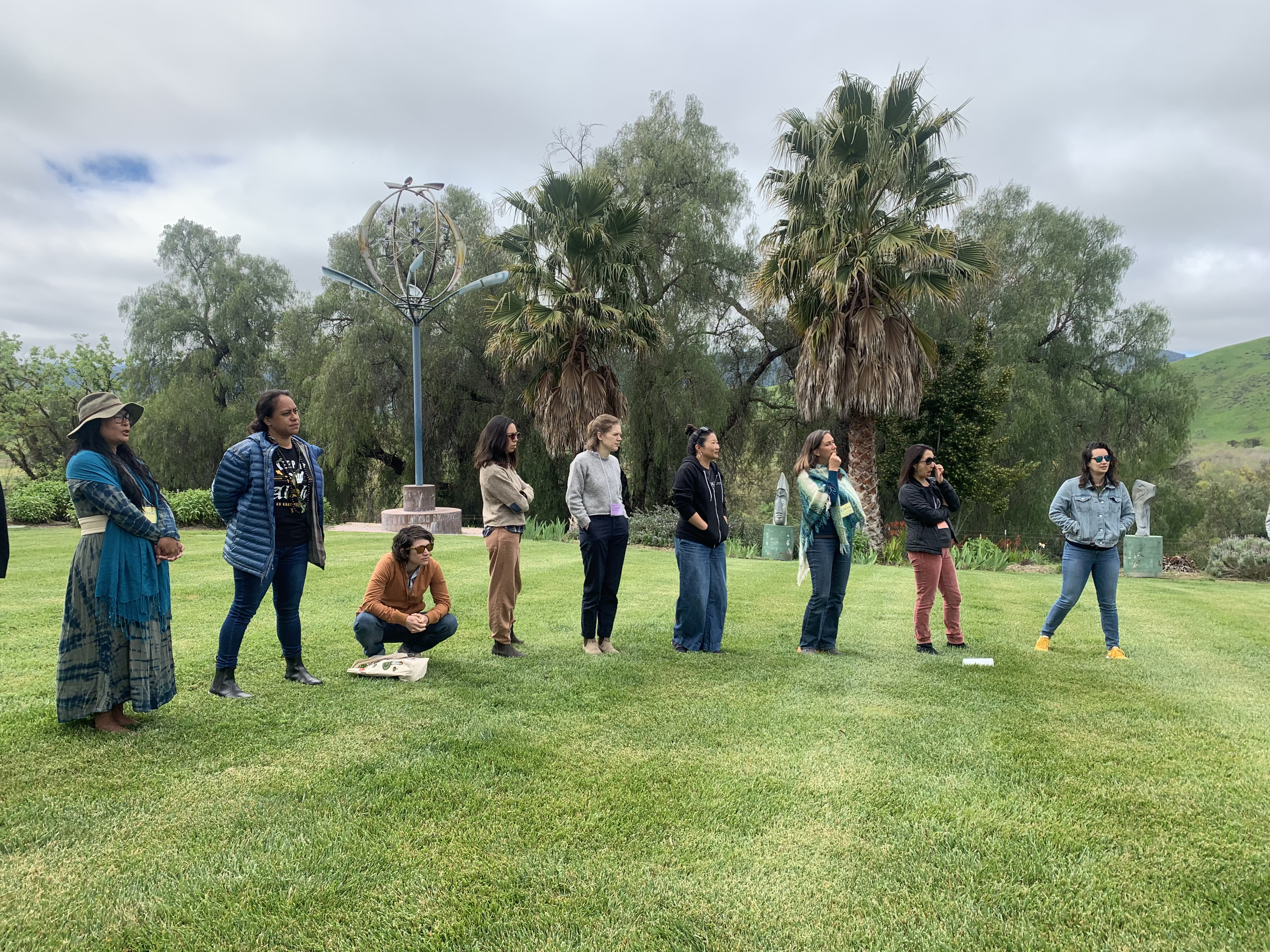
Oftentimes there’s a need to be heard and a core desire underneath the surface behavior. If you can identify that, you set the stage for successful conversations. It’s also important to remember that power dynamics shift in real-time during deep conversations, and as a facilitator, staying attuned to those shifts helps you navigate what’s actually happening in the room.
Throughout the rest of the day, we role-played scenarios that allowed us to explore curating our own formal and informal power, as well as building the container for group discussions. We learned how to meet participants where they were and make sure everyone was being heard, while not allowing someone determined to take power to disempower others in the process.
Building the Container for Safety
The next day, we explored building a container for safety and transformation. It was another nonlinear day of learning, as so many of the women had real and difficult examples of how safety—directly related to power—was playing out for the populations they worked with.
We discussed how we defined safety. Christine and Nikki had us ask ourselves a question that sounds simple but isn’t.
What’s my definition of safety as a facilitator, and does that definition change when I’m a participant?
As the group started to share their answers, the floodgates opened. Not just in terms of language, but in how safety plays out in actual conflicts. Safety, or lack thereof, was something almost every woman in the room was grappling with in her work.
How do you safely navigate prison guards who want absolute power and dominance over inmates, even when you’re doing something as simple as growing a garden of fresh food?
One woman described watching months of relationship-building and plant growth destroyed because a guard felt his authority was being challenged by inmates who had found purpose in tending vegetables.
How do you safely facilitate a conversation between rural and urban populations who have been taught to distrust each other?
How do you safely navigate shame culture or fear tactics that parties in power may be using to keep certain populations quiet?
How can you shut down extreme subgroups determined to cause chaos?
How do you identify when it’s time to walk away because your own mental, physical, and emotional safety are being compromised?
Safety meant something different for each participant, but each of us needed help developing safe containers—even if safety existed only within our own minds and bodies, because articulation could lead to consequences for those we served.
The topic of triggers came up alongside safety. In our world today, “trigger” gets used loosely, and Christine and Nikki shared a distinction worth carrying forward.
A situation that triggers discomfort often occurs when a person or group faces difficult emotions due to differing views or beliefs.
A somatic trigger is a bodily or psychological response to a past experience directly related to trauma—the nervous system remembering something the conscious mind may not be tracking.
While difficult conversations can and should trigger discomfort, they are never meant to cause, and should never be allowed to cause, trauma-related triggers. Knowing the difference changes how you hold space.
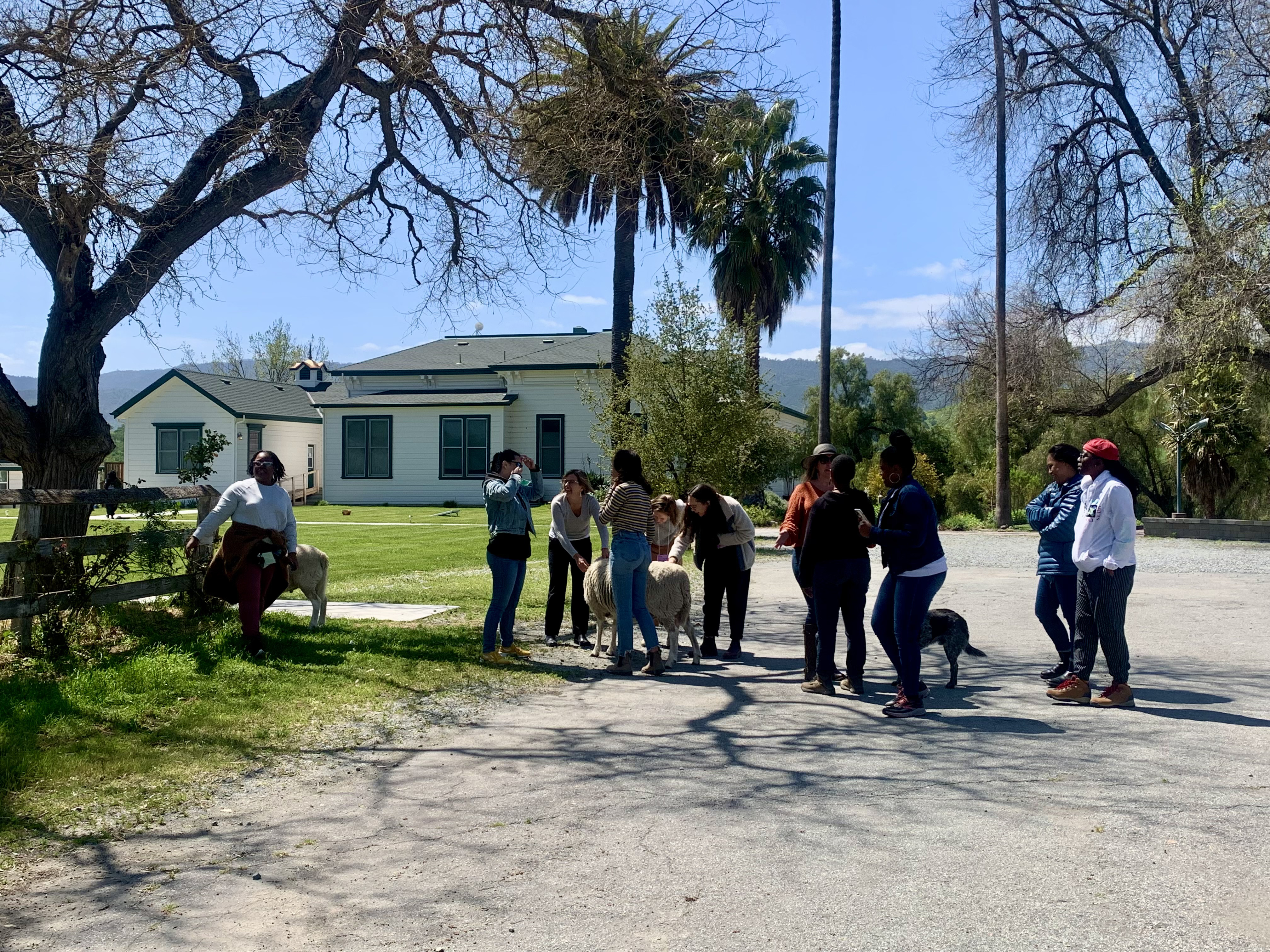
Managing Your Time and Energy
Power, safety, triggers—we were all getting exhausted, but no one wanted to stop because too much was flowing. The next day, we talked about time and energy management, which might sound like a pivot to something lighter, but it wasn’t. There’s only so much any woman has to give when it comes to mental and emotional energy, and pretending otherwise is how burnout happens.
Christine and Nikki showed us that we set ourselves up for success by managing our time and energy before we ever walk into the room. Personal and professional preparation set the stage for moving conversations forward. By defining our roles and the agenda ahead of time, progress happens, and eventually transformation can occur.
Building Additive Relationships
My biggest takeaways from Gathering Fire were that having the right tools, doing the prep work for myself and the parties involved, and holding participants accountable through shared agreements and boundaries is not a small feat. Change takes time. Conversations take time. It’s important for us as women, in the roles we hold, to acknowledge this rather than treating slow progress as personal failure.
No matter your role, you can’t always operate at full capacity—you need to rest, reflect, and reset. You need to fill yourself up if you want to successfully show up for others. Events like Gathering Fire help you develop new relationships that can sustain you through difficult work. Taking part in discussions with other women who serve the land does something that reading about facilitation never will. There aren’t enough events or programs like this serving women in our communities, and I hope there can be more.
If You’re Considering Applying
If you’re thinking of applying for Gathering Fire in 2026, I suggest coming with no preconceived notions and staying open to whatever learning emerges—that’s where the magic happens if you allow it. To learn more about past cohorts, listen to Nikki’s recap at Soil + Shadow. To apply for the 2026 cohort, visit the Paicines Ranch website.
Written by
What's Next?